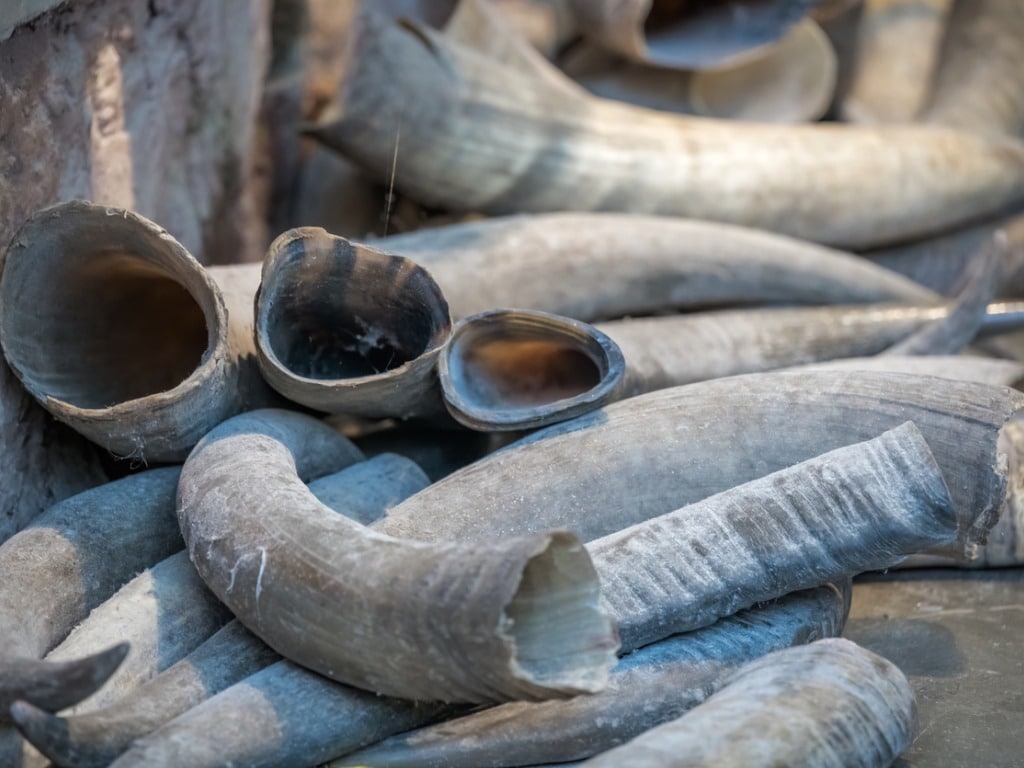
March 3 is World Wildlife Day. Over the past century, the United States has helped lead efforts to combat wildlife crime across the globe. According to whistleblower advocates, by passing legislation protecting and rewarding wildlife whistleblowers, the United States could revolutionize enforcement efforts around wildlife trafficking, including the ivory trade.
Congress first enacted the Lacey Act in 1900 to combat illegal wildlife trafficking. It provides, among other things, penalties for the illegal trading of animal parts, including elephant ivory and other products of endangered species. Congress amended the Act in 1981 to allow the U.S. government to pay awards to whistleblowers. However, these awards are purely discretionary and thus fail to incentivize whistleblowers to come forward due to the significant risks they face. Furthermore, the law contains weak protections for whistleblowers. Therefore, whistleblower advocates claim that Congress must pass legislation to modernize The Lacey Act. According to advocates, this modernization must include solid protections for wildlife whistleblowers and strong incentives for individuals to blow the whistle on illegal ivory trade, wildlife trafficking, and other wildlife crimes.
The statistics on the illegal ivory trade highlight the need for Congressional action. In 2020, an elephant was slaughtered every 15 minutes for its ivory tusks, with little done to prevent these killings. Poaching has caused dramatic harm to...
Read Full Story:
https://news.google.com/rss/articles/CBMidmh0dHBzOi8vd2hpc3RsZWJsb3dlcnNibG9n...